Tragic Copacabana Plane Crash: Pilot Found Dead After Maritime Rescue Operation

Share this article
Help others discover this article by sharing it
Tragic Copacabana Plane Crash: Pilot Found Dead After Maritime Rescue Operation
A tragic incident occurred in Copacabana, Rio de Janeiro, when an ultralight aircraft crashed into the sea, resulting in the death of the pilot. The plane, which was owned by a local company, was found submerged in the water, and a maritime rescue operation was launched to retrieve the body and the aircraft.
- A tragic incident occurred in Copacabana, Rio de Janeiro, when an ultralight aircraft crashed into the sea, resulting in the death of the pilot.
- The incident occurred on a sunny day, with clear skies and calm seas.
- The ultralight aircraft, a popular choice for recreational flying, took off from a nearby airfield and was headed towards the coast of Copacabana.
- Witnesses reported seeing the plane struggling to stay aloft before it plummeted into the water.
- The impact was severe, and the plane sank rapidly, leaving the pilot with little chance of survival.
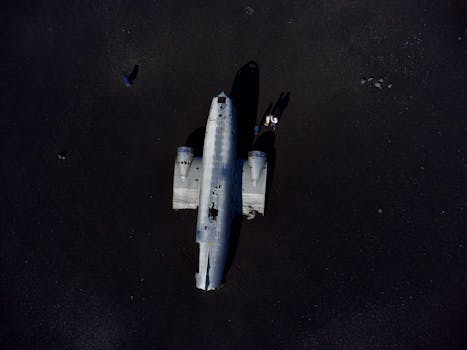
Incident Details
The incident occurred on a sunny day, with clear skies and calm seas. The ultralight aircraft, a popular choice for recreational flying, took off from a nearby airfield and was headed towards the coast of Copacabana. However, shortly after takeoff, the plane experienced technical difficulties and crashed into the sea.
Witnesses reported seeing the plane struggling to stay aloft before it plummeted into the water. The impact was severe, and the plane sank rapidly, leaving the pilot with little chance of survival. The maritime rescue operation was quickly launched, with multiple vessels and divers rushing to the scene to search for the pilot and the aircraft.
Maritime Rescue Operation
The maritime rescue operation was a complex and challenging task. The divers and rescue teams faced difficult conditions, with strong currents and limited visibility. However, they persevered, and after several hours of searching, they finally located the pilot's body and the wreckage of the plane.
The body of the pilot was recovered and taken to a nearby hospital for autopsy. The cause of the crash is still under investigation, but preliminary reports suggest that technical difficulties with the plane may have contributed to the accident. The company that owned the plane has promised to cooperate fully with the investigation and to provide any necessary support to the pilot's family.
Ultralight Aircraft Safety Concerns
The incident has raised concerns about the safety of ultralight aircraft. While these planes are popular for recreational flying, they are not subject to the same safety regulations as commercial aircraft. This has led to calls for greater oversight and regulation of the ultralight aircraft industry.
Experts point out that ultralight aircraft are often flown by inexperienced pilots, which can increase the risk of accidents. Additionally, the planes themselves may not be equipped with the same safety features as commercial aircraft, such as emergency parachutes and collision avoidance systems.
Investigation and Aftermath
The investigation into the crash is ongoing, and it may take several weeks or even months to determine the exact cause of the accident. In the meantime, the company that owned the plane has promised to provide support to the pilot's family and to cooperate fully with the investigation.
The incident has also raised questions about the regulation of ultralight aircraft in Brazil. While the country has a well-developed aviation industry, the regulation of ultralight aircraft is often patchy and inconsistent. This has led to calls for greater oversight and regulation of the industry, to ensure that pilots and passengers are protected.
In conclusion, the tragic Copacabana plane crash is a devastating reminder of the risks and dangers of flying. While ultralight aircraft can be a fun and exciting way to experience flight, they are not without risks. It is essential that pilots and passengers take necessary precautions and that the industry is subject to rigorous regulation and oversight.
The maritime rescue operation that followed the crash was a testament to the bravery and skill of the rescue teams. Their efforts saved the pilot's body from the sea and provided closure to the family. However, the incident also highlights the need for greater investment in maritime rescue operations and the importance of having adequate resources and equipment to respond to emergencies at sea.
As the investigation into the crash continues, it is essential that we learn from this tragedy and take steps to prevent similar incidents in the future. This includes improving the regulation of ultralight aircraft, providing better training and support for pilots, and investing in safety equipment and emergency response systems.

📚 Related Articles
Polish Nationals Arrested in Spain After 20-Hour Siege: Uncovering the Truth
Newly Released Documents Reveal Anxious Discussions Among Officials After Northern Bank Robbery
Tails of Devotion
Exploring the human-canine bond in literature, from Homer to modern novels, and the ways in which dogs illuminate the human condition.
Love & Family Ties
Exploring family dynamics through literature, from Shakespeare to Austen, reflecting on love, parenthood, and societal influences.
Share this article
Help others discover this article by sharing it
